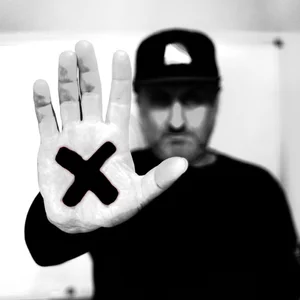
Your Pain Is Not an Enemy - It’s a Messenger.
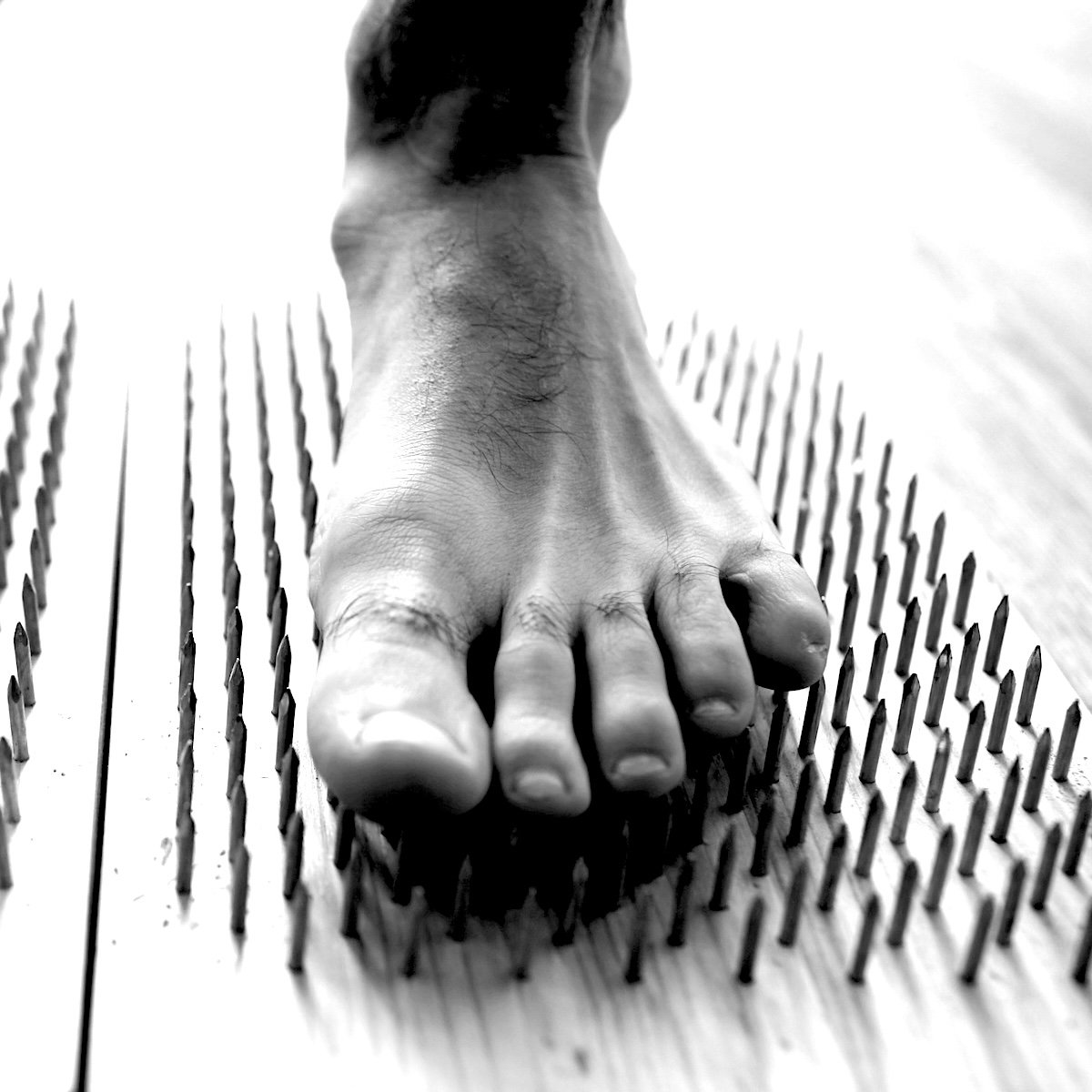
“One does not become enlightened by imagining figures of light, but by making the darkness conscious.”
– Carl Jung
Most men think their pain is a problem
An error.
A failure.
A glitch in the system that needs fixing.
So we do what we were taught:
Numb it.
Avoid it.
Outsource it.
Perform around it.
We treat pain like it’s a weakness - instead of what it actually is:
A messenger from the part of you still waiting to be met.
The truth is brutal and beautiful:
Your pain doesn’t hate you.
It’s trying to bring you home.
The mythology of the wound
Every hero worth a damn is marked by a wound.
Achilles and his heel.
Odysseus and his longing.
Christ and the cross.
Dionysus and his dismemberment.
These aren’t just old stories.
They’re maps.
Each wound is an initiation -
A doorway into the soul.
Ignore it, and you stay in the outer world, playing roles.
Enter it, and you find the man who’s been calling from underneath your performance.
Because pain doesn’t arrive randomly.
It comes with direction.
What happens when you avoid it
Pain avoided becomes:
Rage without target.
Numbness that looks like peace.
Addiction disguised as ambition.
Relationships built on appeasement.
Children who inherit your unfinished grief.
This is why most men are secretly exhausted.
They’re not tired from work.
They’re tired from the cost of suppression.
It takes energy to keep pain buried.
And eventually, that pain either:
Turns inward (as depression, anxiety, disconnection), or
Explodes outward (as conflict, sabotage, collapse).
Both are consequences of not listening.
Listening doesn’t mean wallowing
Let’s be clear:
Honouring your pain doesn’t mean indulging it.
It means:
Giving it language.
Making space to feel it.
Tracing it to its root.
Asking what it’s trying to protect.
Hearing what it wants you to reclaim.
Because pain has memory.
It remembers where you left yourself behind.
Pain as portal
Think about your sharpest pain right now.
A heartbreak.
A betrayal.
A childhood trauma.
A regret you still carry.
A dream that feels too far gone.
Now ask:
What was I forced to abandon in myself to survive that?
Because that’s what your pain is pointing toward - the lost part.
The part that knew how to trust.
How to speak up.
How to play.
How to take risks.
How to say “no.”
How to ask for what you want.
Pain isn’t just suffering.
It’s the trail of breadcrumbs back to your power.
The wound is the initiation
In mythic terms, pain isn’t random - it’s ritual.
It strips the ego.
Burns the false identity.
Brings a man to his knees - not to destroy him, but to reform him.
This is what Jung meant by individuation.
It’s not comfort. It’s confrontation.
You don’t become yourself through ease.
You become yourself through descent.
So the question isn’t “How do I get rid of this pain?”
It’s:
“What is this pain trying to wake me up to?”
Stop numbing, start decoding
Instead of saying:
“I just need to get over this.”
“Other people have it worse.”
“I should be past this by now.”
Try:
“What is this showing me?”
“What part of me have I abandoned?”
“What if this pain is sacred?”
Because the truth is:
Your pain is often your soul’s last attempt to get your attention.
It’s not here to ruin your life.
It’s here to restore it - if you’ll let it.
Real-World Task: Interview the pain
Find a quiet place. 20 minutes. Journal this as a dialogue.
You: What do you want from me?
Pain: [Write what comes up]
You: What are you protecting me from?
Pain: [...]
You: What memory are you connected to?
Pain: [...]
You: What do I need to reclaim?
Pain: [...]
Let the answers come uncensored. No fixing. Just witnessing.
You’ll be surprised what comes through.
Reflective Question
What am I most afraid I’ll feel if I stop distracting myself?
Reading List
The Body Keeps the Score - Bessel van der Kolk
Essential reading on how pain lives in the body and how to work with it.Owning Your Own Shadow - Robert A. Johnson
Brief but brilliant on integrating the disowned parts of yourself.A Little Life - Hanya Yanagihara
Fiction, but devastating - a meditation on pain, trauma, and love.The Sacred Path of the Warrior - Chögyam Trungpa
Pain as path. Courage as clarity.Man’s Search for Meaning - Viktor Frankl
Suffering, purpose, and the refusal to die spiritually.
Pain isn’t polite.
It’s not convenient.
It won’t wait for you to be ready.
But it’s honest.
And it doesn’t lie.
So when it knocks, don’t run.
Answer the door.